- Is this stack safe for long-term use?
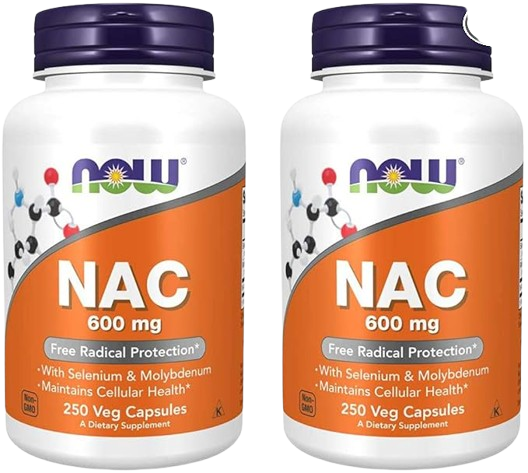
- Yes. All 9 products use forms with multi-year safety data at the doses recommended. The single dose-related caveat is zinc (the Foundation Stack zinc is at 30 mg, within the NIH Upper Limit of 40 mg/day). For users with kidney disease, liver disease, or on anticoagulants/nitroglycerin, consult a physician — particularly for NAC and creatine.
- Can I take all 9 supplements at the same time?
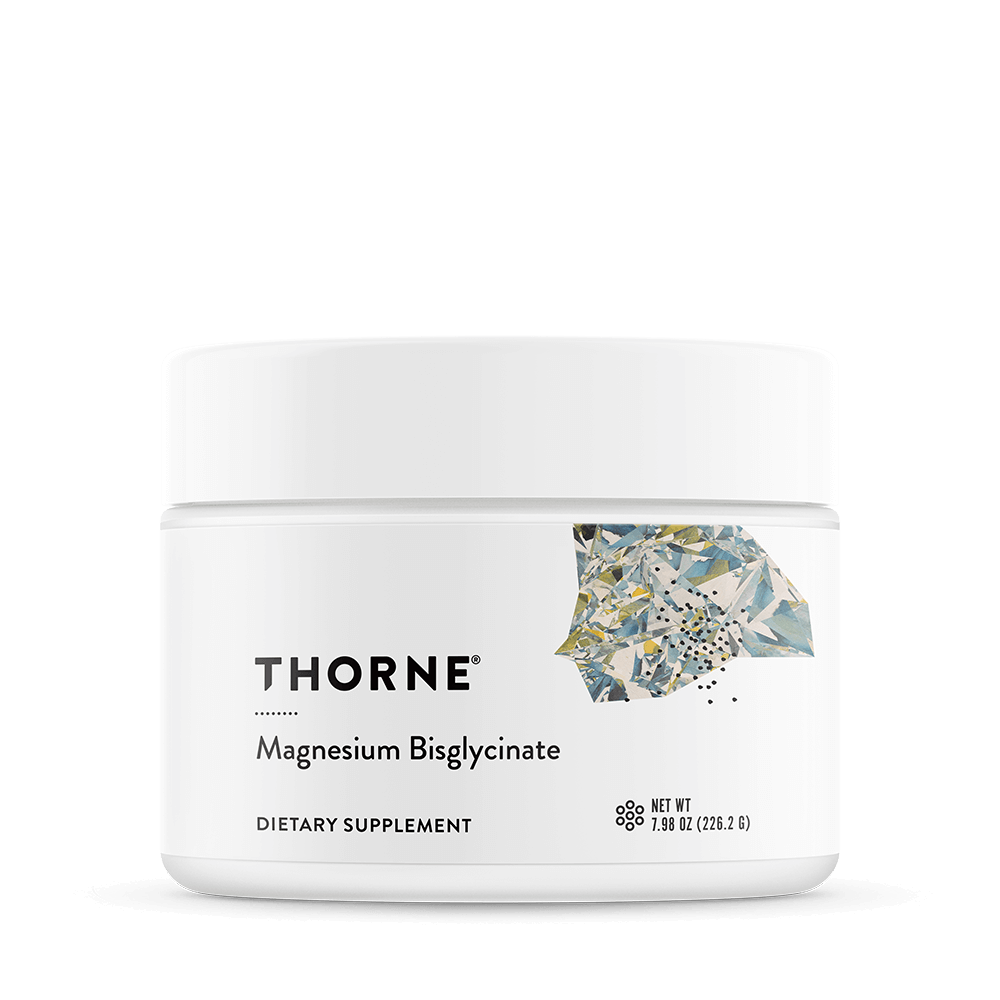
- Mostly yes, with two timing rules. Separate zinc and magnesium by at least 2 hours (mineral competition). Take fat-soluble products (vitamin D + K2, omega-3, ubiquinol) with a meal containing dietary fat. Magnesium 30-60 minutes before bed if using for sleep. Everything else is timing-flexible.
- What if I'm on a budget? Which 3-4 to prioritize?
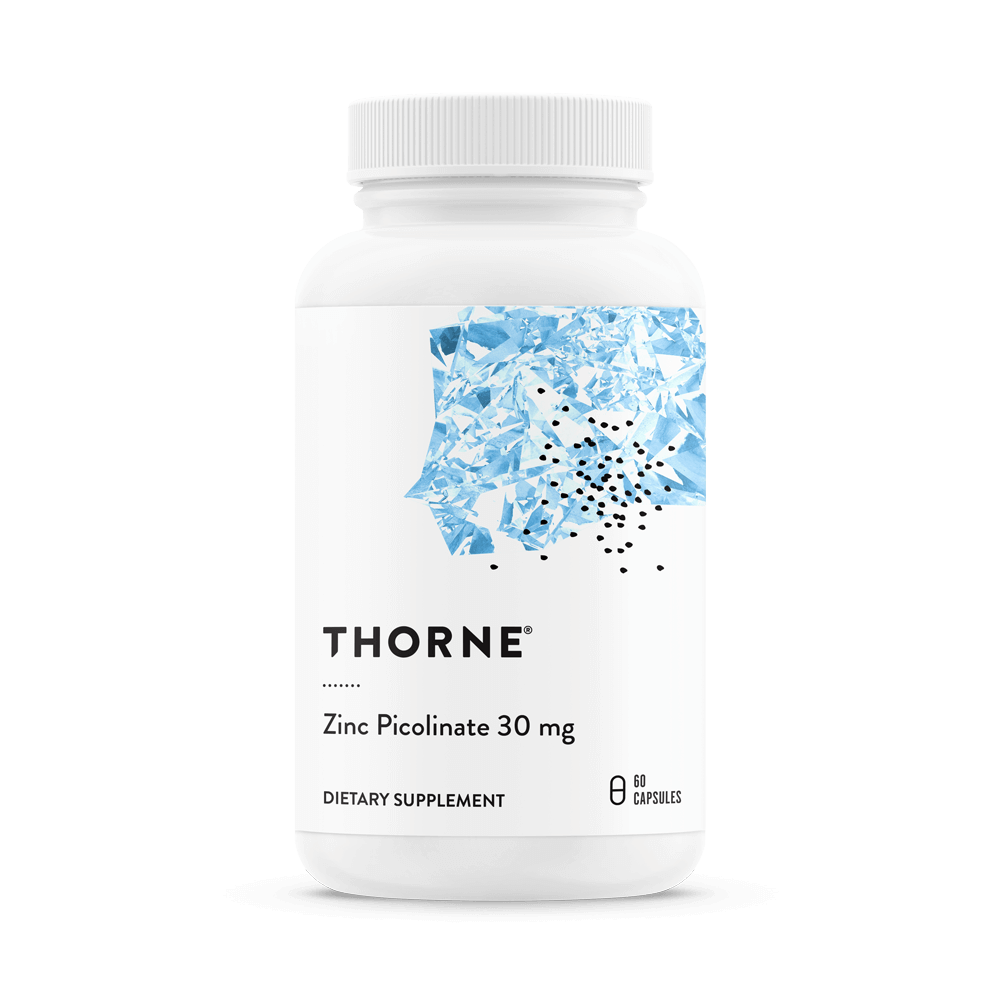
- Prioritize the foundation tier: zinc, magnesium, vitamin D + K2, and omega-3. These four cover the broadest deficiency burden in men 40+. CPED for those four alone runs approximately $1.30/day, $475/year. Add the others as budget allows.
- Do I need a doctor's approval?
- Not generally for healthy adults at the doses recommended. Consult a physician if you take prescription medications (especially anticoagulants, statins, blood pressure medications, antidepressants, or thyroid medications), have documented kidney or liver disease, or have a hormone-sensitive condition. Functional medicine practitioners are particularly comfortable with this stack.
- Will this raise my testosterone?
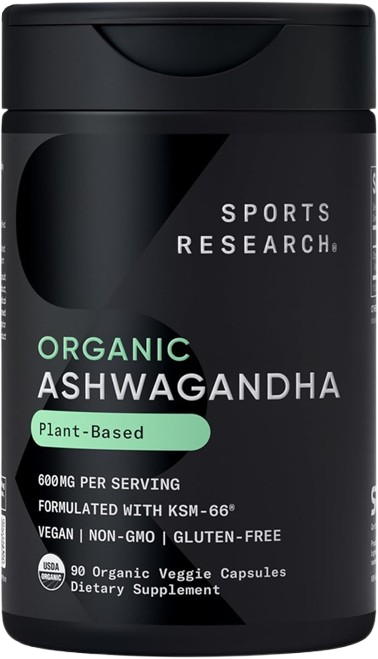
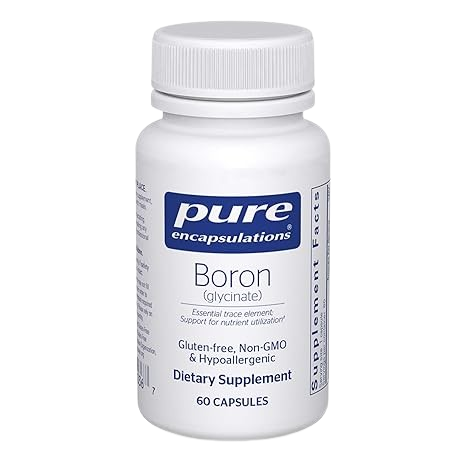
- It will support healthy testosterone production rather than dramatically raise it. Zinc and boron have the strongest direct effects on testosterone metrics in men with adequate baseline status; ashwagandha lowers cortisol (which suppresses testosterone when chronically elevated). Effects are real but moderate — typically 10-25 percent increases in free testosterone in deficient or stressed men over 8-12 weeks.
- How long until I see results?
- Subjective effects (energy, sleep quality, training performance) typically appear in 2-4 weeks. Hormonal changes (testosterone, cortisol) are measurable at 8-12 weeks. Long-term effects (lean mass, glutathione status, cardiovascular markers) accumulate over 3-6 months. Plan for a 90-day full evaluation window.
- What about probiotics, multivitamin, or other staples not in the stack?
- Multivitamin: optional. The Foundation Stack already covers the highest-deficiency-burden nutrients at clinical doses; a multivitamin adds redundancy and often sub-clinical doses of B-complex and trace minerals. Probiotics: situational; we have not yet reviewed the category. Whey protein: a food, not a supplement; useful for hitting protein targets.
- What if I'm vegan or vegetarian?
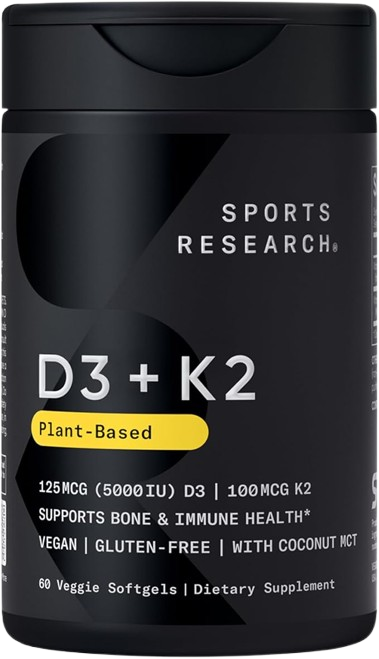
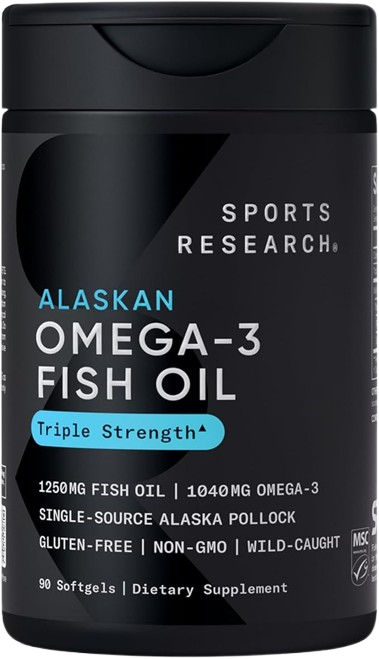
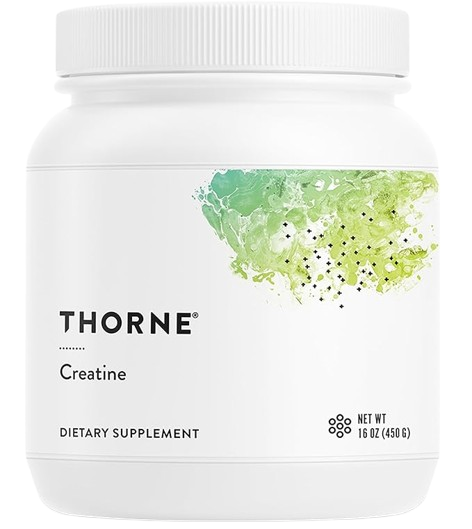
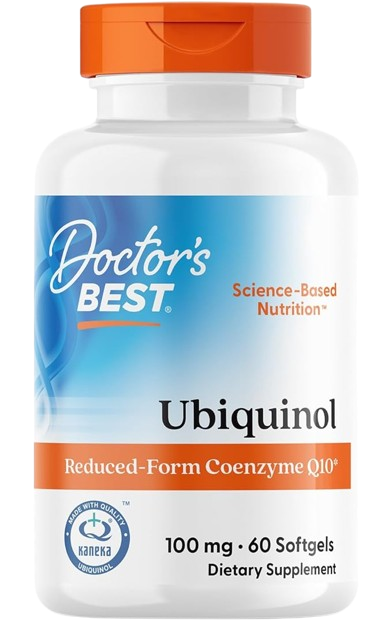
- Most Foundation Stack products are vegan-compatible (zinc picolinate, magnesium bisglycinate, ashwagandha KSM-66, boron glycinate, NAC, creatine monohydrate). The non-vegan exceptions are vitamin D3 + K2 (gelatin softgel, lanolin-derived D3), omega-3 (fish-derived), and ubiquinol (gelatin softgel). Vegan alternatives exist for all three: algae-derived omega-3, lichen-derived D3, vegetarian softgels for ubiquinol. CPED rises moderately for the vegan substitutes.
- Should I cycle these supplements?
- No. None of the 9 products require cycling. Long-term continuous supplementation is the evidence-supported protocol. The cycling rumor mainly applies to certain prohormones and stimulant-based pre-workouts, not foundational micronutrients or amino acids.
- Why no Tongkat Ali or Tribulus?
- Tongkat Ali is a strong testosterone-supportive botanical with real evidence (200-400 mg/day standardized extract raises free testosterone 11-18 percent over 8-12 weeks). It is not in the core Foundation Stack because it is situational rather than foundational. Add it via /compare/tongkat-ali if testosterone optimization is a priority. Tribulus has no reliable testosterone effect in healthy men and is excluded from the catalog entirely.